Case Study: HRM system development
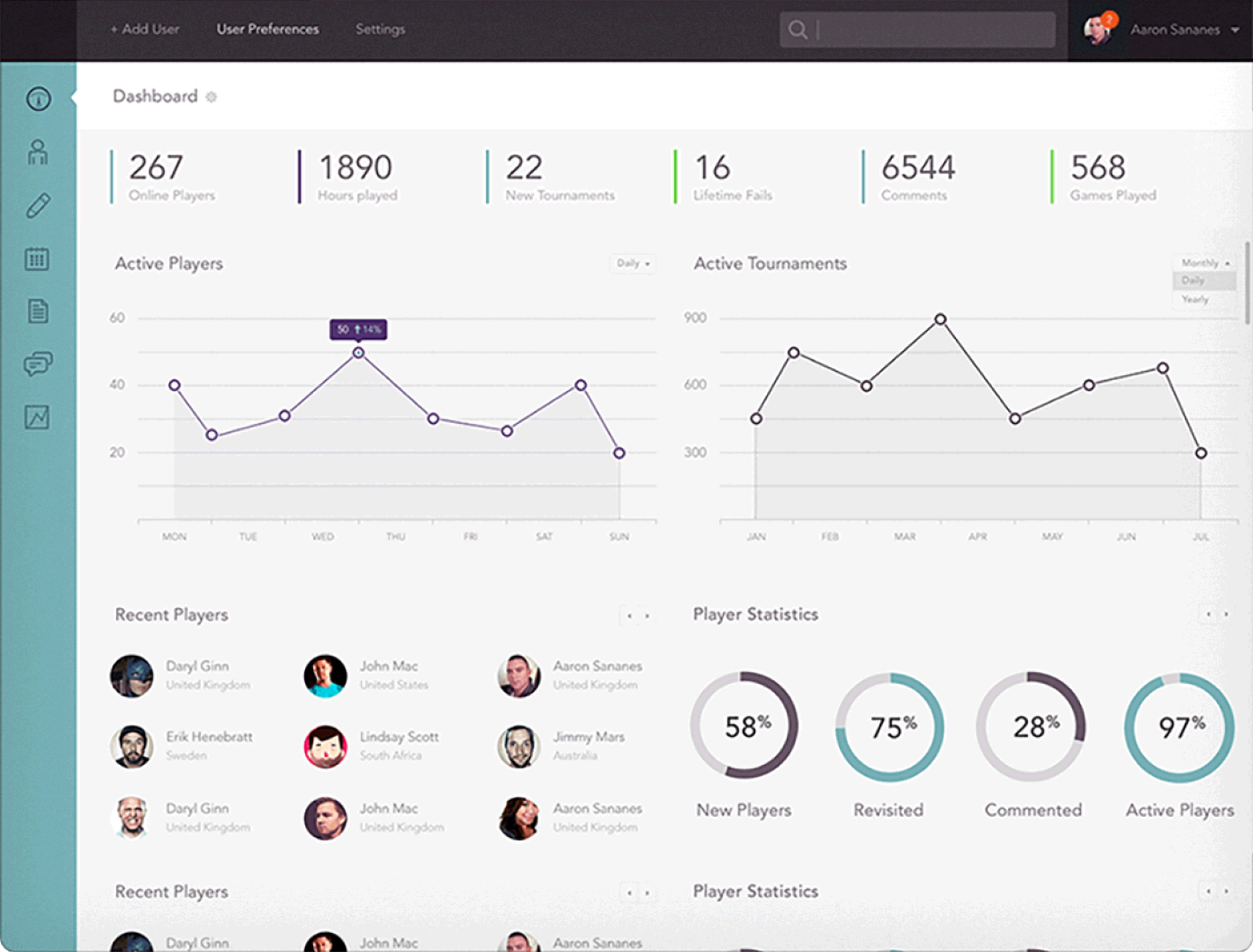
The development of an HRM system for a US startup to expand the collection of SaaS products the startup offers.
Project details:
About the Client:
The Client is a fast-developing US startup with successful experience in developing and retailing several SaaS systems. They decided to expand their SaaS collection with an HRM system.
- Location: Boston, USA
- Industry: Telecom
- Team size: 5 specialists (3 ROR Developers, 1 Senior Developer/Team Lead, 1 Part-time Scrum Master)
- Project duration: 18 months
Business challenge
The Client, a US-based SaaS startup with an established client base in telecom, was missing a high-demand product category – an HRM system – and losing cross-sell opportunities with every client conversation where competitors offered HR tooling. They had the product vision and a design team in place; they needed a development partner to bring the system to production.
Additional challenge: Deliver the full system scope – including social network integration, gamification elements, and mobile optimization – within the 18-month product roadmap
Our solution
The development process, grounded in Scrum methodology, was segmented into 2-month releases and 2-week sprints. The HRM system was developed using Ruby on Rails 4.0, with a rich user interface crafted through AngularJS. Optimized for mobile platforms, the solution was deployed on the Heroku cloud system, ensuring scalability in response to varying loads.
System features
The HRM system developed is characterized by its integration with social networks and the inclusion of gamification elements, enhancing user interaction and engagement. A key feature is the scalable employee profiles, which cater to businesses of varying sizes.

Business value
Before:
- The Client’s SaaS portfolio had no HRM offering, blocking entry into a market segment their existing clients needed.
- HR managers using available tools dealt with low employee profile completion and minimal engagement with HR workflows.
- Employee onboarding required manual profile configuration for every new hire, creating bottlenecks as team sizes varied.
- HR departments managing growing teams had no unified platform combining scalable profiles, social engagement, and cross-functional collaboration.
After:
- The Client launched a fully scoped HRM platform, entering the HR software market and increasing revenue per existing client by approximately 25% through cross-sell.
- Gamification elements and social network integration raised employee profile completion by approximately 30% compared to standard non-gamified deployments.
- Scalable employee profiles automatically adapt to teams from small businesses to mid-size enterprises, eliminating manual reconfiguration during onboarding.
- The platform consolidated profile management, social features, and gamified HR workflows into one system, deployed on cloud infrastructure that scales with load.
Have an app idea?
Let’s start with a free quote!
See our other case studies
CRM system testing

RivalFox marketing tracking tool

Toyota custom ERP/CRM system




